





Podobnie jak podczas niedawnej wizyty członków Stowarzyszenia Rodzin Oflagu 64, potomków amerykańskich oficerów więzionych w nazistowskim obozie jenieckim w Szubinie, stanęli oni wspólnie z mieszkańcami Szubina do pamiątkowej fotografii, tak samo i 45 lat temu byli jeńcy Oflagu 64, postanowili powrócić do miejsca, który był ich domem w niewoli i również pamiątkowe zdjęcie zostało wykonane przed pomnikiem upamiętniającym obóz.
Pomysł pierwszej po wojnie podróży byłych jeńców Oflagu 64 do Szubina był dyskutowany w ich gronie już od kilku lat i ostatecznie w 27. stycznia 1971 r. roku komitet organizacyjny w osobach Johna F. Slacka, Charlesa G. Eberle’a oraz Franka W. Maxwella w drugim numerze gazetki „The Post Oflag 64 Item” ogłosili projekt o nazwie „Wielki Powrót do Szubina”: – “Zapamiętajcie daty 8-22 Maja 1971” – napisali – “To będzie podróż życia, więc nie przegapcie tego”.
Najważniejszym punktem ich dwutygodniowej podróży do Europy był zaledwie kilkugodzinny pobyt na terenie byłego obozu jenieckiego. Dla trzydziestu byłych jeńców możliwość zobaczenia ponownie tego miejsca, w którym niektórzy z nich spędzili będąc w niewoli ponad 18 miesięcy, była niewątpliwie niezapomnianym i sentymentalnym doświadczeniem.
Do Polski przylecieli lotem z Nowego Jorku do Warszawy przez Kopenhagę i w poniedziałek 10. maja wyruszyli przez Żelazową Wolę do Poznania. Program na 11. maja był krótki i treściwy: “Opuszczamy hotel po śniadaniu i udajemy się do Szubina – odwiedzamy teren byłego obozu, który jest teraz upamiętniony pomnikiem. W Bydgoszczy obiad z przedstawicielami lokalnych władz”.

Byli jeńcy Oflagu 64 odwiedzający Szubin (rozpoznani przez Billa Sharpe'a): 1. Amon Carter, 2. Irv Yarock, 3. Leroy Ihrie, 4. Jim Bancker, 5. Jim Fraser, 6. Colonel Schaffer, 7. Peter Graffagnino, 8. Don Waful, 9. Roy Chappell, 10. ???, 11. Len Feldman, 12. ???, 13. Joe Friedman, 14. Frank Maxwell, 15. ???, 16. ???, 17. Edward Batte, 18. John Slack, 19. Tony Lumpkin, 20. Gardner Simes?, 21. Ed Moschel, 22. Larry Phelan, 23. Frank Diggs, 24. Ray Klinkenborg, 25. Charlie Eberle, 26. Bob Thompson.
Pośród osób odwiedzających Szubin był także Bryan Wright, były dziennikarz The Atlanta Journal i korespondent wojenny NBC, który 6. czerwca 1944 roku przeprowadził pierwszą relację z Lądowania w Normandii, a po dostaniu się do niewoli 12. września 1944 roku również trafił do Oflagu 64 w Szubinie, gdzie pozostał aż do „wyzwolenia” obozu przez Armię Czerwoną w 21. stycznia 1945 r.
Po powrocie tak zrelacjonował pobyt w Szubinie: “Gdy nasz autobus zbliżał się do Szubina, jeńcy, którzy zostali ewakuowani marszem w styczniu 1945 r., zaczęli dostrzegać charakterystyczne obiekty przy drodze, które zapamiętali. Gdy dotarliśmy w końcu do bram szkoły, w której murach w czasie wojny mieścił się obóz, każdy wziął głęboki oddech i ruszył w kierunku miejsc, które zapamiętał najlepiej. Tymczasowe baraki, wysokie ogrodzenie z drutu kolczastego i wieżyczki strażnicze dawno zniknęły, ale budynki, które kiedyś stanowiły główną część Oflagu 64 (Biały Dom, szpital, kaplica, dom komendanta) wyglądały praktycznie tak, jak w chwili, kiedy widzieli je po raz ostatni, z wyjątkiem wiosennej zieleni zamiast głębokiego śniegu. Większość z nas błyskawicznie zlokalizowała i pokazała swoim żonom miejsca, w których byliśmy zakwaterowani. To było najbardziej wzruszające z moich doświadczeń, ale były też inne. Nasi przedstawiciele złożyli wieniec pod pomnikiem wzniesionym w pobliżu byłej głównej bramy obozu przez Polaków dla upamiętnienia ich oporu przeciwko hitlerowcom, jak również dla upamiętnienia, że w miejscu tym w czasie II wojny światowej znajdował się obóz jeniecki.


Charlie Eberle, John Slack oraz Frank Maxwell składają wieniec z czerwonych róż od pomnikiem upamiętniającym obóz.
Dziennikarz Polskiego Radia, Ryszard Jankowski, zrelacjonował przebieg wizyty gości z USA w radiowym reportażu: “Goście udają teraz przed obelisk upamiętniający to miejsce męczeństwa postawiony w hołdzie dla ofiar II wojny światowej. Po złożeniu wieńca z żywych kwiatów u stóp obelisku wręczyli przedstawicielowi miejscowego społeczeństwa pamiątkowa plakietkę metalową z wyrytymi na niej wyrazami wdzięczności dla Polaków, którzy w czasie wielkiej próby złożyli niejeden dowód serdeczniej troski o losy uwięzionych aliantów”.
Słowa podzięki za otrzymany dar wygłasza w imieniu społeczeństwa dyrektor obecnego Zakładu Wychowawczego pan Alfons Jachalski: “W imieniu wszystkich obywateli miasta Szubina chciałbym serdecznie podziękować za miły upominek. równocześnie chciałbym podkreślić, że wysoko cenimy tych wszystkich, którzy zawsze pamiętają o tej tragedii narodowej, która spadła na nasz kraj i inne narody. Jesteśmy zawsze przyjaciółmi z tymi wszystkimi, którzy w walce przeciwko faszyzmowi stają w jednym szeregu. Po powrocie do waszego kraju, chciałbym, abyście waszym młodszym pokoleniom przekazali również pozdrowienia od narodu polskiego i aby oni podobnie jak my zawsze walczyli o pokój, który oby panował na całym świecie”.

Odwiedzający teren byłego obozu na tle byłego obozowego szpitala, od lewej: Len Vaden, Bob Thompson, Ed Banker; na drugim planie także: Ed Moschel, Billy Bingham, ???, Dr Graffagnino, Leroy Ihrie i Stacy Diggs.
SZUBIN, Polska (AP) – ‘Co u diabła zrobili z moją sypialnią?’, ‘Cmentarz zniknął’, ‘Nie zostało praktycznie wcale kolczastego drutu’. To typowe komentarze słyszane tu w ubiegły wtorek od grupy 30 byłych Amerykańskich jeńców odwiedzających po latach nazistowski obóz jeniecki. Oficerowie Armii Stanów Zjednoczonych wraz z żonami odbyli sentymentalną podróż, żeby zobaczyć miejsce, w którym spędzili ostatnie lata II wojny światowej. Rozświetlony jasnym wiosennym słońcem i przyjaznymi uśmiechami mieszkańców miasteczka którzy zgromadzili się wokół nich, Oflag 64 zmienił się zbytnio odkąd byli tu poprzednio. Obóz jeniecki, w którym przebywało ponad 1500 Amerykańskich jeńców wojennych jest obecnie Zakładem Wychowawczym dla chłopców. (…).
Dwupiętrowy budynek pomalowany na kremowo, niegdyś główne koszary w obozie, obecnie mieści internat dla chłopców. Amerykanie zapamiętali zimne wilgotne pokoje ze ścianami w kolorze błota. Kiedy przechadzali się starymi korytarzami wielu z nich otwierało drzwi pokojów, w których niegdyś mieszkali. Nie zobaczyli w nich już jednak drewnianych pryczy, tylko schludne rzędy łóżek zasłanych kocami w typowo chłopięcych kolorach. ‘Co u diabła stało się z moją sypialnią?’ – huknął Larry Phelan – ‘Po środku pokoju stał duży metalowy piec, którego już nie ma. Dzięki niemu nie marzliśmy podczas mroźnych zimowych nocy’.
Podobne głosy można było usłyszeć, gdy odwiedzali obozową mesę, teraz również używaną przez wychowanków szkoły jako jadalnia. ‘Nie było tu świeżych białych obrusów na stołach ani jasnych ścian’ – wspominał Amon Carter – ‘Mieliśmy tylko drewniane ławy i miejsce to było zwyczajnie brudne’.

John Slack ogląda zorganizowaną w Zakładzie Wychowawczym wystawę, na której zebrano pamiątki z czasów wojny.
Również dziennikarz Polskiego Radia rozmawiał z Amonem Carterem:
Reporter: ‘Oczywiście nie jest to Pański pierwszy pobyt w tutaj, to jak mniemam drugi raz?’
Amon Carter, Jr.: ‘Nie, to znaczy… tak, Byłem tu przez 20 miesięcy w 1944 i 1945 r. Zyskaliśmy wielu przyjaciół pośród lokalnej ludności, którzy pomimo, że często doświadczali gorszych warunków, starali się uczynić nasze życie w obozie bardziej znośnym. Próbowali nam pomagać i zawsze dobrze żyliśmy z Polakami. Jest wielu dobrych Polaków w Ameryce i dlatego chcieliśmy wrócić tu, by móc znów spotkać się z naszymi polskimi przyjaciółmi tutaj. Jest nas tutaj razem pięćdziesiąt osób i przyjechaliśmy tu bezpośrednio z Poznania. Trzydziestu z nas to byli jeńcy i wielu z nas przybyło tutaj ze swoimi żonami. Obóz się zmienił i Szubin jest jakby większy. Mieszka tu więcej ludzi.
Reporter: ‘Oczywiście nie jest to Pański pierwszy pobyt w tutaj, to jak mniemam drugi raz?’
Amon Carter, Jr.: ‘Nie, to znaczy… tak, Byłem tu przez 20 miesięcy w 1944 i 1945 r. Zyskaliśmy wielu przyjaciół pośród lokalnej ludności, którzy pomimo, że często doświadczali gorszych warunków, starali się uczynić nasze życie w obozie bardziej znośnym. Próbowali nam pomagać i zawsze dobrze żyliśmy z Polakami. Jest wielu dobrych Polaków w Ameryce i dlatego chcieliśmy wrócić tu, by móc znów spotkać się z naszymi polskimi przyjaciółmi tutaj. Jest nas tutaj razem pięćdziesiąt osób i przyjechaliśmy tu bezpośrednio z Poznania. Trzydziestu z nas to byli jeńcy i wielu z nas przybyło tutaj ze swoimi żonami. Obóz się zmienił i Szubin jest jakby większy. Mieszka tu więcej ludzi.
Reporter: 'Zapewne zamierzacie zobaczyć miasto?'
Amon Carter, Jr.: O tak, z pewnością! Kopaliśmy też tunel, którym chcieliśmy uciec, ale się zawalił. To było tam, tam gdzie jest ten nowy budynek. Tutaj był szpital, a ten budynek nazywaliśmy Weissenhaus (Białym Domem), jak ten, w którym mieszka nasz Prezydent w Waszyngtonie. Tam mieliśmy kaplicę, a za nią był cmentarz. Tu mieściła się kuchnia, gdzie wydawano nam posiłki. Nie dostawaliśmy zbyt wiele, ale to właśnie tam były wydawane. A to jest moja przyjaciółka ze stacji kolejowej. Widywałem ją dwa razy w tygodniu i naprawdę wiele pomogła nam wszystkim Amerykanom.’
Amon Carter, Jr.: O tak, z pewnością! Kopaliśmy też tunel, którym chcieliśmy uciec, ale się zawalił. To było tam, tam gdzie jest ten nowy budynek. Tutaj był szpital, a ten budynek nazywaliśmy Weissenhaus (Białym Domem), jak ten, w którym mieszka nasz Prezydent w Waszyngtonie. Tam mieliśmy kaplicę, a za nią był cmentarz. Tu mieściła się kuchnia, gdzie wydawano nam posiłki. Nie dostawaliśmy zbyt wiele, ale to właśnie tam były wydawane. A to jest moja przyjaciółka ze stacji kolejowej. Widywałem ją dwa razy w tygodniu i naprawdę wiele pomogła nam wszystkim Amerykanom.’
W tym momencie rozmowy Carter przedstawia kobietę z Szubina, która pracowała (mieszkała) na stacji kolejowej. Choć w reportażu nie pada jej nazwisko, to wiadomo, że była to Eugenia Grecka.
Reporter: ‘Czy pani jest stąd, proszę pani?’
Eugenia Grecka: ‘Ja jestem stąd’.
Reporter: ‘Pan Carter wspomina, że Pani jest jedną z tych osób, które niosły pomoc jeńcom. W jakich warunkach niosła Pani tą pomoc? Czy to było powiązane z jakimiś niebezpieczeństwami?
Eugenia Grecka: ‘Wszystko cokolwiek się robiło, było zawsze powiązane z niebezpieczeństwami, ale o tym się wówczas nie myślało. Myślało się tylko, aby mieć jakieś powiązanie psychologiczne raczej, które by oddziaływało jakoś na psychikę naszych przyjaciół, aby im było z nami dobrze, a nam z nimi też było dobrze dosłownie. Cieszyliśmy się, kiedy mogliśmy im podać jakąś wiadomość, np.: o postępach w kierunku ukończenia wojny. Czy dopomóc im w wydostaniu się na wolność’.
Eugenia Grecka: ‘Ja jestem stąd’.
Reporter: ‘Pan Carter wspomina, że Pani jest jedną z tych osób, które niosły pomoc jeńcom. W jakich warunkach niosła Pani tą pomoc? Czy to było powiązane z jakimiś niebezpieczeństwami?
Eugenia Grecka: ‘Wszystko cokolwiek się robiło, było zawsze powiązane z niebezpieczeństwami, ale o tym się wówczas nie myślało. Myślało się tylko, aby mieć jakieś powiązanie psychologiczne raczej, które by oddziaływało jakoś na psychikę naszych przyjaciół, aby im było z nami dobrze, a nam z nimi też było dobrze dosłownie. Cieszyliśmy się, kiedy mogliśmy im podać jakąś wiadomość, np.: o postępach w kierunku ukończenia wojny. Czy dopomóc im w wydostaniu się na wolność’.

Amon Carter, Jr. rozmawia z Eugenią Grecką, z którą zaprzyjaźnił się, kiedy był jeńcem w Oflagu 64.
Eugenia Grecka przekazywała Carterowi informacje o stanie wojny usłyszane przez radio BBC. Eugenia zapisywała je i zostawiała w formie grypsów w jednym z koszy na śmieci przy dworcu. Carter odbierał je za każdym razem, kiedy przychodził tam wraz z niemieckim strażnikiem odebrać paczki z Czerwonego Krzyża. Poza dostarczaniem bieżących informacji o wojnie Grecka także przekazywała jeńcom noże i widelce, których używali jako narzędzi do kopania tunelu: ‘Dawałam je elektrykom, którzy mieli przepustkę do obozu i często tam bywali’ – powiedziała. Carter i Grecka zapamiętali jedną sytuację, kiedy to niemiecki strażnik znalazł pozostawioną przez nią w koszu wiadomość. ‘Kiedy ja przeczytał, powiedział, że mógłby dostać awans, gdyby na nią doniósł.’ – powiedziała Grecka – ‘A gdy odpowiedziałam mu, no dalej idź!’ – odparł – ‘Nie martw się, nie będę taką świnią’. Carter dodał – ‘Po prostu wykonywał swoją pracę. Dałem mu kilka papierosów, żeby milczał. Trzeba było umieć się i z nimi dogadywać.’


Teren byłego obozu jenieckiego Oflag 64, 1971 – budynek szkoły, który dla jenców był szpitalem.
Ciąg dalszy rozmowy z Amonem Carterem Jr.:
Reporter: ‘Pan Carter wspomniał już o słynnej ucieczce tunelem, który jeńcy tu wykopali. Czy pamięta Pan dokładnie, w którym miejscu się znajdował?
’Carter: ‘Był w tamtym kierunku, ale tych baraków już nie ma. Te, w których mieszkałem zostały rozebrane. Był też inny tunel wykony przez Brytyjczyków, ale inni koledzy w autobusie będą wiedzieć lepiej, gdzie dokładnie się znajdował. Ja nie brałem udziału w kopaniu. Koledzy kopali, przez niemal rok. Mieliśmy spory problem z wykopaną ziemią. Składowaliśmy ją na poddaszu. Rozsypywaliśmy ją na terenie obozu. Nie ukończyliśmy go nigdy, ponieważ w innym z obozów hitlerowcy zamordowali 50 oficerów lotnictwa. Rozstrzelali ich po ucieczce tunelem [Wielka ucieczka ze Stalagu Luft III w Żaganiu]. Wiedzieliśmy jednak, że koniec wojny się zbliża i że wygrywamy. W związku z tym bezpieczniej było zostać w obozie. Tylko jeden spośród nas faktycznie uciekł z obozu. Także pochodzi z Teksasu. Nazywa się Chappell i też jest w autobusie, ale nie uciekł zbyt daleko. Ledwo wydostał się z obozu, a oni zaraz spuścili za nim psy.’
Reporter: ‘Pan Carter wspomniał już o słynnej ucieczce tunelem, który jeńcy tu wykopali. Czy pamięta Pan dokładnie, w którym miejscu się znajdował?
’Carter: ‘Był w tamtym kierunku, ale tych baraków już nie ma. Te, w których mieszkałem zostały rozebrane. Był też inny tunel wykony przez Brytyjczyków, ale inni koledzy w autobusie będą wiedzieć lepiej, gdzie dokładnie się znajdował. Ja nie brałem udziału w kopaniu. Koledzy kopali, przez niemal rok. Mieliśmy spory problem z wykopaną ziemią. Składowaliśmy ją na poddaszu. Rozsypywaliśmy ją na terenie obozu. Nie ukończyliśmy go nigdy, ponieważ w innym z obozów hitlerowcy zamordowali 50 oficerów lotnictwa. Rozstrzelali ich po ucieczce tunelem [Wielka ucieczka ze Stalagu Luft III w Żaganiu]. Wiedzieliśmy jednak, że koniec wojny się zbliża i że wygrywamy. W związku z tym bezpieczniej było zostać w obozie. Tylko jeden spośród nas faktycznie uciekł z obozu. Także pochodzi z Teksasu. Nazywa się Chappell i też jest w autobusie, ale nie uciekł zbyt daleko. Ledwo wydostał się z obozu, a oni zaraz spuścili za nim psy.’
Reporter: ‘Co Pan czuje stojąc w miejscu, w którym był Pan więziony podczas wojny?’
Carter: ‘Wszystko, co złe, już zdążyłem zapomnieć. Myślę, że czas leczy rany. Pamiętam owszem, że było ciężko, ale starałem się pielęgnować tylko dobre wspomnienia. Poza tym minęło już 27 lat, więc wiele szczegółów zdążyłem zapomnieć, ale Szubin i mieszkający tu ludzie na zawsze pozostaną bliscy memu sercu. Jestem zaskoczony, że Szubin ma o wiele więcej mieszkańców, niż wtedy, gdy tu byłem. Myślę, że Szubin miał wtedy ok. 4 albo 5 tys. Mieszkańców. A ile ma w tej chwili?’
Reporter: ‘Sześć i pół tysiąca.’
Carter: ‘A… czyli faktycznie przybyło.’
Reporter: ‘I rozbudował się jak widać.’
Carter: ‘Musi się tu dobrze mieszkać.’
Reporter: ‘Przed wojną Szubin miał tylko trzy i pół tysiąca mieszkańców, więc faktycznie liczba ta się podwoiła.’
Carter: ‘Tam była kwatera SS, baraki dla Gestapo, “Barracken” i Oberst [pułkownik], Schneider, niemiecki komendant mieszkał tam.’
Reporter: ‘A gdzie Pan mieszkał?’
Carter: ‘Mieszkałem w tym budynku [Biały Dom] a potem w jednym w baraków tam dalej. Już go nie ma. Każdy z nas trzydziestu ma swoją własną historię do opowiedzenia.’


Teren byłego obozu jenieckiego Oflag 64, 1971 – tzw. Biały Dom oraz jednopiętrowy budynek, w którym mieściła się obozowa poczta i szkoła.
Po powrocie do domu wielu spośród byłych jeńców dzieliło się z innymi swoimi wrażeniami ze wspólnej podróży:
“To zdecydowanie był najlepszy czas w moim życiu. Sensacyjna, fantastyczna, piękna, niewiarygodna i niezapomniana podróż. Brakuje słów, żeby to wyrazić. Nie da się tego przebić. Oczywiście, najważniejszy był moment powrotu do Oflagu 64 w Szubinie.”
“To zdecydowanie był najlepszy czas w moim życiu. Sensacyjna, fantastyczna, piękna, niewiarygodna i niezapomniana podróż. Brakuje słów, żeby to wyrazić. Nie da się tego przebić. Oczywiście, najważniejszy był moment powrotu do Oflagu 64 w Szubinie.”
“Zajęło chwilę zanim ochłonęliśmy po przyjeździe na miejsce. Oczekiwaliśmy, że wiele się zmieniło, a okazało się, że wiele wyglądało tak samo. Zniknęły owszem wieżyczki strażnicze i drut kolczasty. Także Mały Teatr, magazyn konserw, barak dla Rosjan I wszystkie drewniane baraki. Wszystkie pozostałem murowane budynki wciąż stoją, ale wiele zmieniło się w środku. Dla przykład pokój nr 2 w Białym Domu został podzielony na trze pokoje. Jedyny drewniany budynek, który pozostał, to ten na przeciwko wejścia do Białego Domy, gdzie znajdowała się pracownia krawiecka i warsztat szewski. Jedna rzecz nas tylko zawiodła. Władze nie pozwoliły nam wejśc do kaplicy, która wciąż stoi za domem niemieckiego komendanta obozu. Powiedzieli, że nie mają kluczy. Do wszystkich innych budynków nas wpuszczono.”
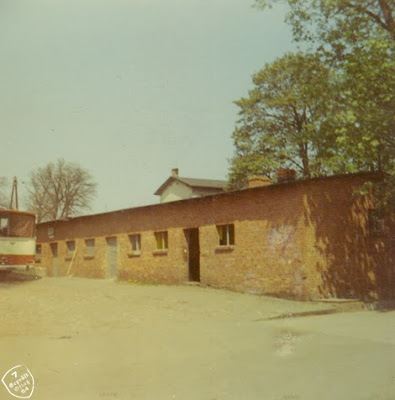

Grounds of the former POW camp, 1971 – public latrine and the chapel.
Frank Diggs napisał: “Wprost trudno uwierzyć, co znaczy powrócić do Oflagu 64, zwłaszcza po 26 latach. Po pierwsze przez ogromną różnicę pomiędzy tym dniem, kiedy opuściliśmy obóz podczas śnieżycy słysząc w oddali strzały radzieckiej artylerii, a pięknym wiosennym dniem kiedy przyjechaliśmy powrotem ze wszelkim komfortem do tego samego obozu, w którego obrębie teraz mieści się szkoła dla chłopców i panuje zupełnie inna atmosfera. Biały Dom wciąż tam jest, nie zmieniony z zewnątrz. Jest także budynek obozowego szpitala, wiele baraków, ale już bez ogrodzenia z drutu kolczastego. Zobaczyć to miejsce wraz żoną jak również starych znajomych, było wręcz nostalgicznym przeżyciem.”
Gardner Simes: “Pobyt w Szubinie był dla mnie smutny i wzruszający. Atmosfera niewiele się zmieniła, pomimo braku kolczastego drutu.”
Jim Bancker: “Ponowne odwiedziny Szubina było największa atrakcją. Zobaczyć ponownie Biały Dom i wciąż tam stojące cztery baraki było fascynującym przeżyciem dla mnie i mojej żony. Zobaczyła na własne oczy to, o czym tyle jej opowiadałem.”
Tony Lumpkin: “Jedną z największych przyjemności był powrót do Szubina i możliwość zobaczenia jak niewiele nasz obóz się zmienił, możliwość zobaczenia jeszcze raz miejsca, gdzie przyszło nam spędzić wiele długich dni w przeszłości.”
Don Waful: “Te piętnaście miesięcy, które spędziłem w Oflagu 64 we wszystkich wymiarach, emocjonalnie, materialnie i duchowo ukształtowała mnie jako człowieka na całe życie. Powrót do tego miejsca i możliwość współdzielenia tych chwil z żoną i z wszystkimi razem, było wzruszającym doświadczeniem.”
Serdecznie dziękuję Marlene Thompson McAllister, Nancy Thompson Wyatt oraz Taylor McAllister, córkom i wnuczce porucznika Roberta Thompsona, za podzielenie się zdjęciami oraz filmem dokumentalnym z podróży byłych jeńców do Szubina w 1971 r.
Źródła:
Copyright © for the Polish translation by Mariusz Winiecki
Gardner Simes: “Pobyt w Szubinie był dla mnie smutny i wzruszający. Atmosfera niewiele się zmieniła, pomimo braku kolczastego drutu.”
Jim Bancker: “Ponowne odwiedziny Szubina było największa atrakcją. Zobaczyć ponownie Biały Dom i wciąż tam stojące cztery baraki było fascynującym przeżyciem dla mnie i mojej żony. Zobaczyła na własne oczy to, o czym tyle jej opowiadałem.”
Tony Lumpkin: “Jedną z największych przyjemności był powrót do Szubina i możliwość zobaczenia jak niewiele nasz obóz się zmienił, możliwość zobaczenia jeszcze raz miejsca, gdzie przyszło nam spędzić wiele długich dni w przeszłości.”
Don Waful: “Te piętnaście miesięcy, które spędziłem w Oflagu 64 we wszystkich wymiarach, emocjonalnie, materialnie i duchowo ukształtowała mnie jako człowieka na całe życie. Powrót do tego miejsca i możliwość współdzielenia tych chwil z żoną i z wszystkimi razem, było wzruszającym doświadczeniem.”
Fragment filmu nakręconego podczas wizyty w Szubinie byłych jeńców Oflagu 64 (11 maja 1971 r.).
Podziękowania:
Serdecznie dziękuję Marlene Thompson McAllister, Nancy Thompson Wyatt oraz Taylor McAllister, córkom i wnuczce porucznika Roberta Thompsona, za podzielenie się zdjęciami oraz filmem dokumentalnym z podróży byłych jeńców do Szubina w 1971 r.
Źródła:
- "The Post Oflag Item", wydania z lat siedemdziesiątych, dostępne na stronie: www.oflag64.us.
- "From USA to Szubin" reportaż autorstwa Ryszarda Jankowskiego.
- "Thirty former U.S. Officers Revisit Old NAzi Prizon Camp; It's Reform School" depesza Associated Press, z The Danvile Register (Danvile Virginia, Wed. May, 12, 1971, www.newspapers.com.
Copyright © for the Polish translation by Mariusz Winiecki
